
- Physio-led non-surgical spine care · Vaughan & Woodbridge
Spinal Decompression Therapy
Relief Without Surgery
Gentle, computer-controlled traction that helps take pressure off irritated discs and pinched nerves, prescribed and monitored by a physiotherapist using the Chattanooga DTS® system.
● Treatment at a glance
Non-surgical & drug-free
A gentle stretch-and-release for the spine
Lower back & neck
Lumbar and cervical decompression
Physiotherapist-prescribed
Assessment first, settings tailored to you
Direct billing available
For most major insurers in Ontario, when eligible

Assessment comes first
We confirm decompression is right for you before treatment begins.
What is spinal decompression?
Take the pressure off. Move with comfort again.
When a disc bulges or a nerve is pinched, ordinary moments like sitting at work, sleeping or lifting your child can become painful, and rest alone often isn’t enough.
Spinal decompression is a non-invasive form of mechanical traction. While you lie comfortably on a padded table, a computerized unit applies a slow, controlled pull to your lower back or neck, holds it, then gently relaxes, repeating in programmed cycles. This is designed to create space between the vertebrae, reduce pressure inside compressed discs and ease tension on irritated nerve roots, as part of a complete physiotherapy plan.
2
Treatment areas: lumbar & cervical
0
Incisions, injections or medication
1:1
Physiotherapist-led, personalized care
Compressed
Decompressed
How it works
A gentle, precise stretch that gives your spine room to breathe
Controlled pull & release
The DTS® applies traction in slow, programmed cycles so muscles stay relaxed and the force reaches the targeted segment of your spine.
Less pressure on discs & nerves
Gently separating the vertebrae is designed to lower pressure inside compressed discs and ease tension on irritated nerve roots.
Supports natural healing
Reducing that pressure may help water, oxygen and nutrients move back into the disc, supporting your body’s own recovery.
Your treatment journey
Four steps to feeling better
Precise, comfortable and always guided by your physiotherapist. Here is what to expect when you choose spinal decompression at GoldCare.
Thorough assessment
A physiotherapist evaluates your symptoms, posture, movement, nerve function and history to confirm spinal decompression is appropriate and safe for you.
Comfortable positioning
You lie fully clothed on the padded table. Soft harnesses or a cervical support are fitted so treatment focuses on exactly the right area.
Precision decompression
The Chattanooga DTS® delivers gentle cycles of pull and relaxation, with force, angle and timing set specifically for your condition.
Active recovery
We pair decompression with targeted exercise, hands-on therapy and posture education to help strengthen your spine and support lasting relief.
Quick self-check
Could spinal decompression be right for you?
If even one of these sounds familiar, a physiotherapy assessment is the best next step to find out what is driving your pain.
Back or neck pain that has lasted more than a few weeks
Pain, numbness or tingling travelling into a leg or arm
A diagnosed herniated, bulging or degenerative disc
Pain that gets worse with long periods of sitting or standing
You would prefer a non-surgical, drug-free option
Our spinal decompression system
Clinical precision with the Chattanooga DTS®
GoldCare Physiotherapy & Rehabilitation Clinic offers computerized cervical and lumbar spinal decompression using the Chattanooga DTS® (Decompression Therapy System). Treatment is individually prescribed by a physiotherapist following an assessment.
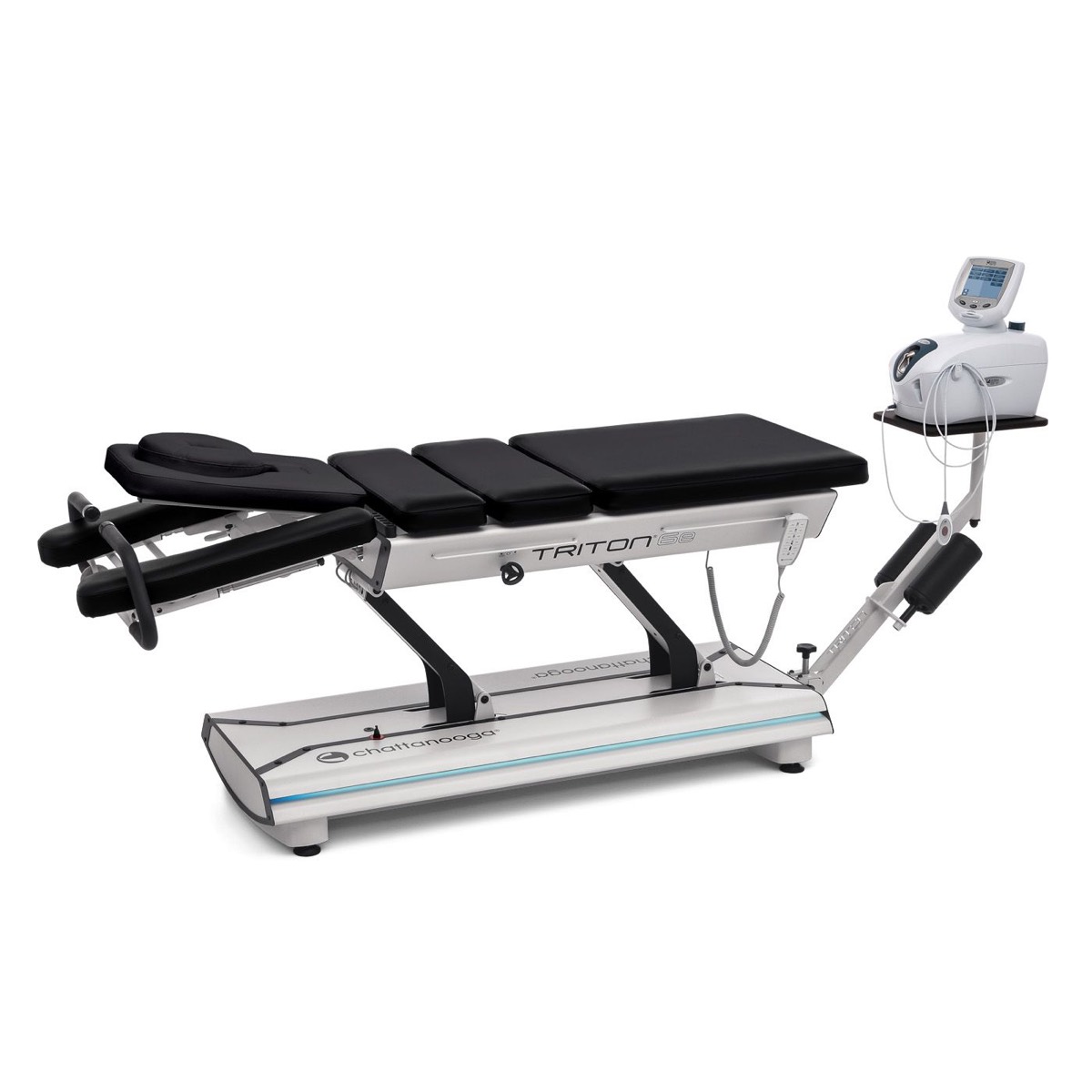
Advanced technology, personalized to you
Chattanooga has supported physiotherapists for more than 40 years. Paired with the fully electric Triton table, the DTS® lets your physiotherapist fine-tune every detail of your session for comfort, safety and accuracy.
Triton® DTS unit
Computerized control of traction force, hold and relax times, with a patient safety switch to pause at any time.
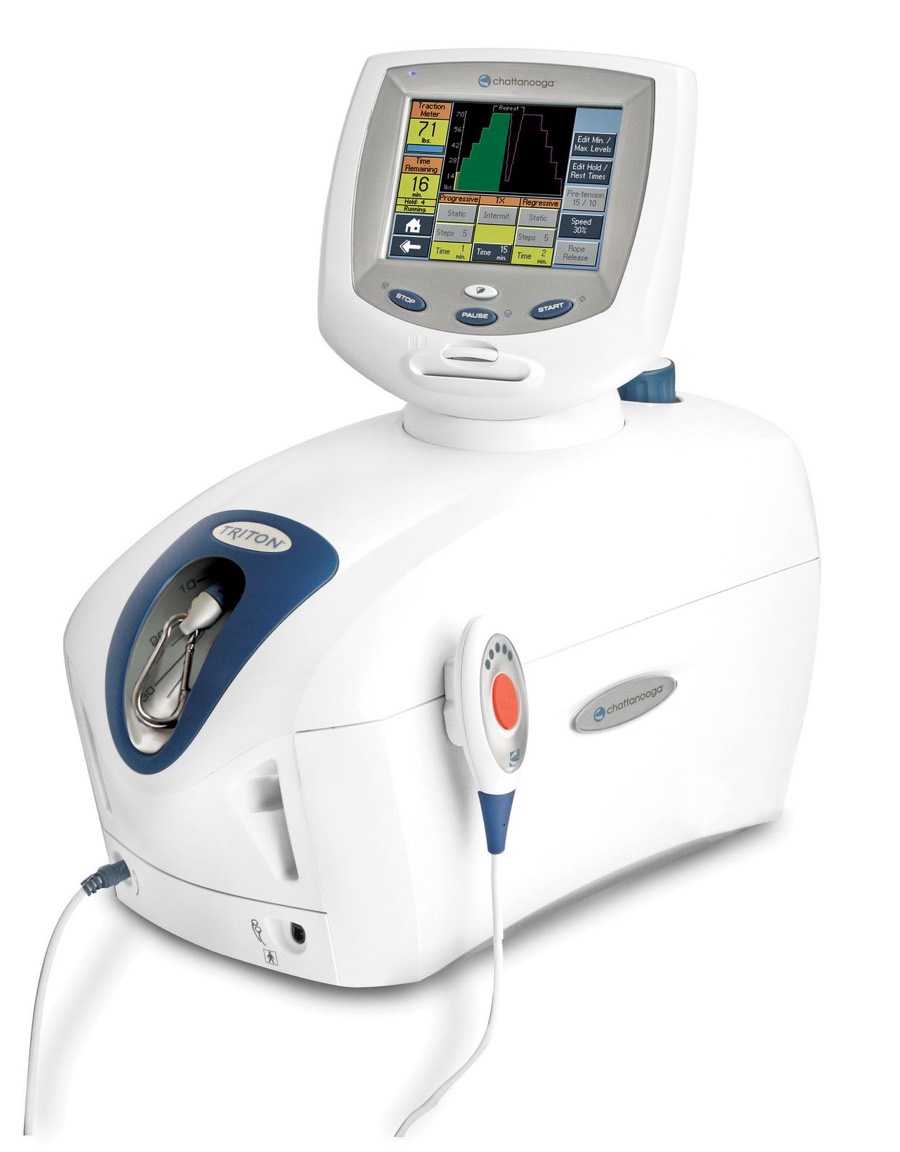
Programmable cycles
Force, hold and relax times are set for your condition.
Neck & lower back
Cervical and lumbar decompression on one system.
Adjustable positioning
Six-section table with pelvic tilt for precise angles.
Comfort built in
Heated cushions and soft harnessing for a relaxed session.
Conditions we treat
Conditions spinal decompression may help with
Decompression is most often recommended when pain is linked to disc pressure or nerve irritation. Your physiotherapist will confirm whether it suits your diagnosis.
Lower back & lumbar conditions
Lumbar decompression gently lengthens the lower spine to help relieve pressure that can cause back pain, sciatica, or symptoms travelling into the leg.
Herniated Disc / Lumbar Disc Herniation
Bulging Disc
Slipped Disc
Degenerative Disc Disease
Sciatica / Sciatic Nerve Pain
Lumbar Radiculopathy
Pinched Nerve in the Lower Back
Lumbar Spinal Stenosis
Disc-Related Lower Back Pain
Facet Joint Pain
Chronic Lower Back Pain
Back Pain Radiating Into the Leg
Numbness or Tingling From Lumbar Nerve Irritation
Muscle Spasm & Restricted Lower-Back Mobility

Neck & cervical spine conditions
Cervical decompression gently lengthens the neck to help relieve pressure that can cause pain, stiffness, or symptoms travelling into the shoulder and arm.
Cervical Disc Herniation
Bulging Disc in the Neck
Cervical Degenerative Disc Disease
Cervical Radiculopathy
Pinched Nerve in the Neck
Cervical Spinal Stenosis
Chronic Neck Pain
Disc-Related Neck Pain
Neck Pain Radiating Into the Shoulder or Arm
Numbness or Tingling From Cervical Nerve Irritation
Cervical Facet Joint Pain
Neck Stiffness & Restricted Mobility

Common symptoms that may benefit
If any of these sound familiar, a physiotherapy assessment is the best way to discover what is driving your pain and whether decompression can help.
Lower Back Pain
Neck Pain
Sciatica
Radiating Leg Pain
Radiating Arm Pain
Nerve-Related Pain
Numbness and Tingling
Pain Associated With Disc Compression
Pain Aggravated by Prolonged Sitting or Standing

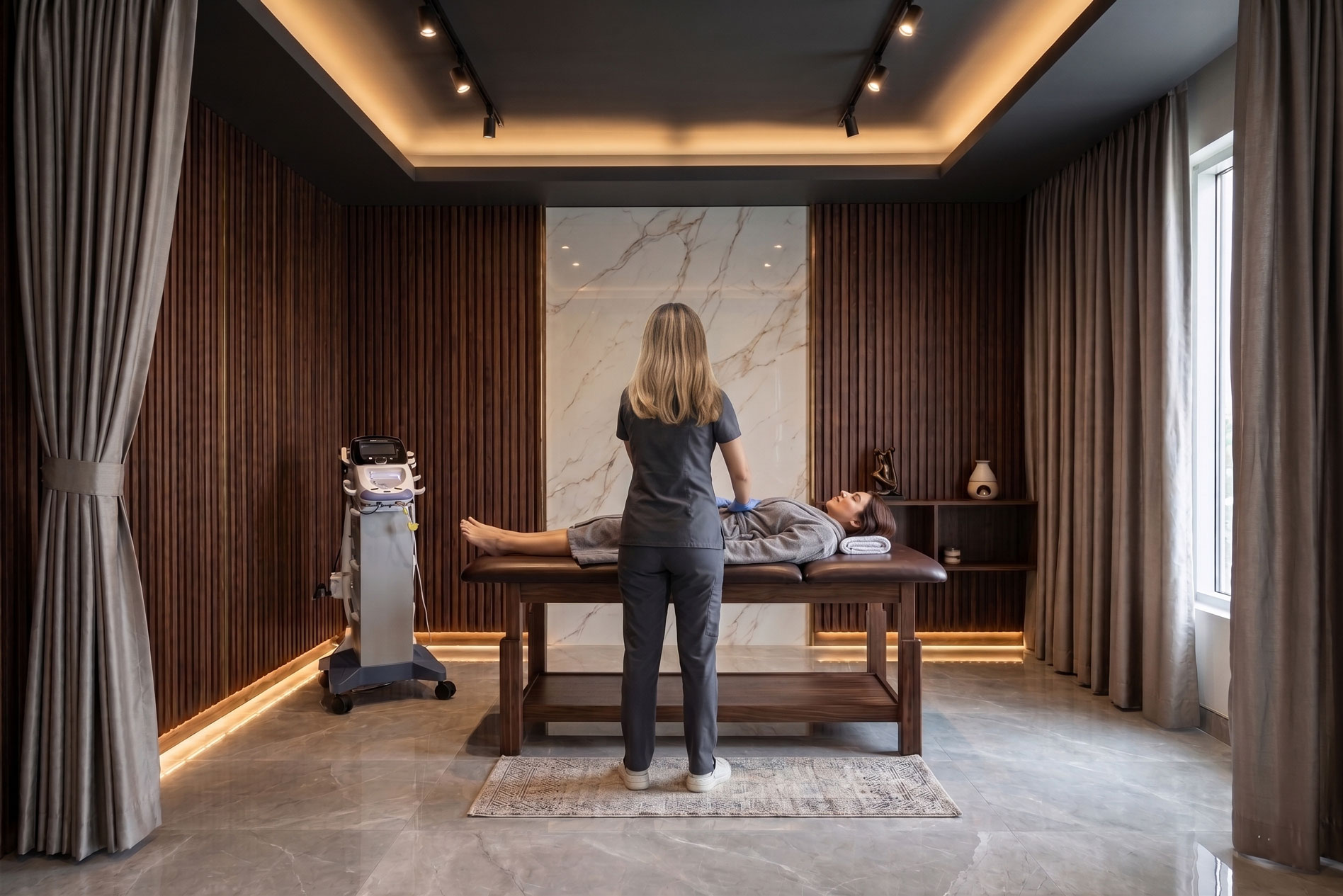
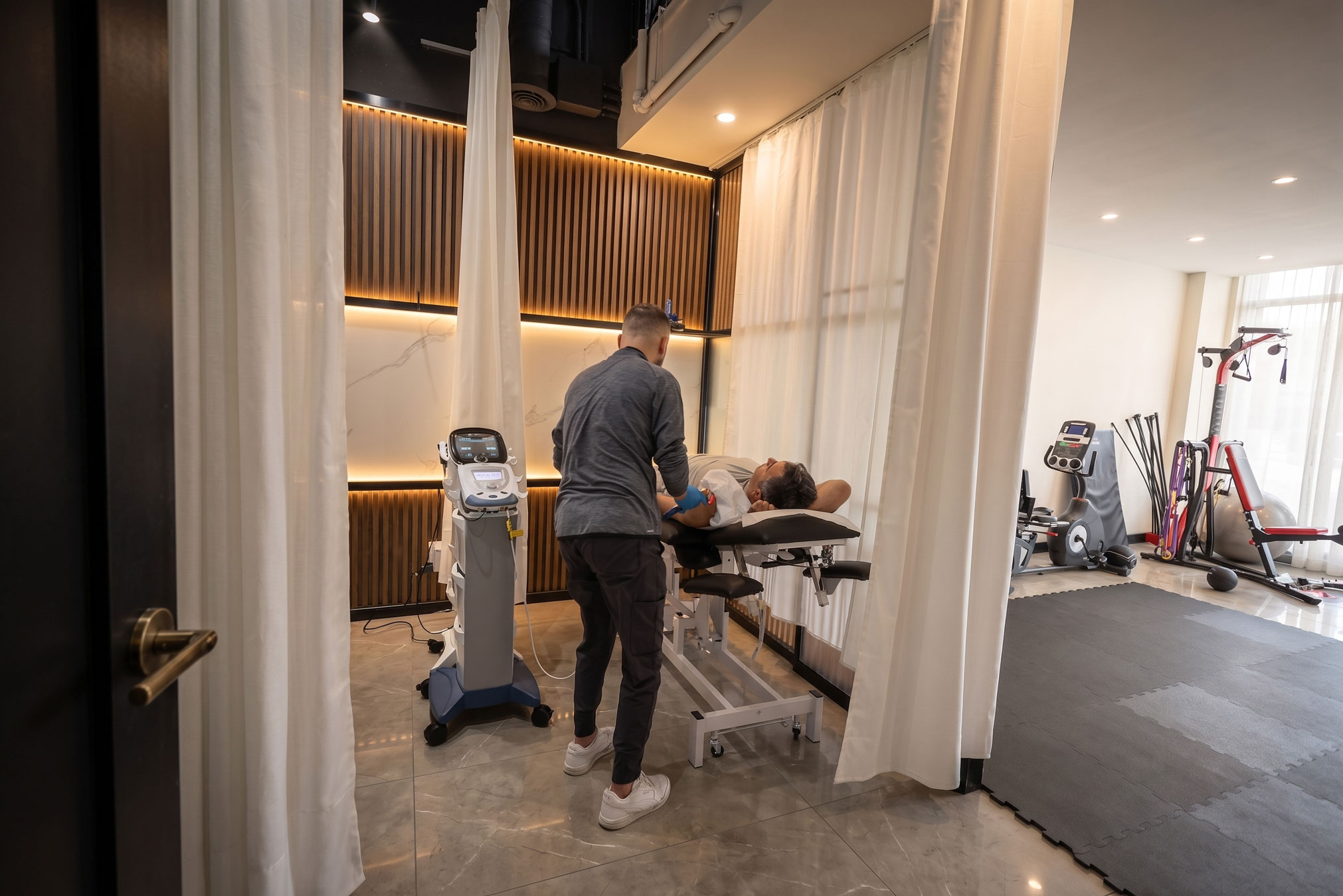
Why GoldCare
More than a machine. A plan built around you.
Decompression works best as part of a complete plan. Here is what sets our approach apart.
Assessment comes first
A thorough physiotherapy assessment decides whether decompression is right for you before any treatment begins.
Prescribed & monitored
Your traction settings are individually prescribed and adjusted as your symptoms improve.
Active rehabilitation
We combine decompression with exercise, hands-on therapy and education for lasting strength.
Direct billing & free parking
Direct billing for most major insurers in Ontario when eligible, plus free indoor parking for 2 hours.
FAQ
Your questions, answered
Still have a question?
Our team is happy to help you decide if spinal decompression is right for you.
7777 Weston Rd, Unit 108, Woodbridge, ON
What does spinal decompression feel like?
Most patients describe a gentle, comfortable stretch in the lower back or neck. The pull is applied gradually and released in cycles, and many people find the session relaxing. You stay in control with a safety switch that stops treatment at any time.
Is spinal decompression the same as regular traction?
Both use traction, but computerized decompression precisely controls the force, angle and timing of each cycle, gradually increasing and releasing the pull. This programmed approach is designed to keep muscles relaxed and focus decompression on the targeted area of the spine.
How many sessions will I need?
It depends on your condition, how long you have had symptoms and how you respond to treatment. After your assessment, your physiotherapist will recommend a personalized plan and review your progress regularly.
Who should not have spinal decompression?
Spinal decompression is not suitable for everyone. It may not be recommended with certain conditions such as spinal fractures, advanced osteoporosis, spinal tumours or infections, some types of previous spinal surgery, or pregnancy. Your physiotherapist screens for these during your assessment.
Do I need a doctor’s referral?
No referral is needed to see a physiotherapist in Ontario. Some insurance plans do require a referral for reimbursement, so we recommend checking your policy.
Is spinal decompression covered by insurance?
When provided as part of physiotherapy treatment, spinal decompression may be covered by extended health plans that include physiotherapy. GoldCare offers direct billing to most major insurance providers when eligible. Coverage varies, so please confirm with your provider.
Can I combine spinal decompression with other treatments?
Yes, and we encourage it. Decompression is often most effective alongside physiotherapy exercise, manual therapy, massage therapy and education about posture and movement.
Take the first step
Ready to take the pressure off your spine?
Book your spinal decompression assessment at GoldCare Physiotherapy & Rehabilitation Clinic. Let’s find out what is driving your pain and build a plan to help you move better, sit longer and sleep easier.
Call to book your visit
7777 Weston Rd, Unit 108
Woodbridge, ON L4L 0G9
Free indoor parking
First 2 hours
Need Help Starting Your Recovery?
Our team is here to help you book physiotherapy, rehabilitation, massage therapy, acupuncture, shockwave therapy, naturopathic care, psychotherapy, MVA treatment, WSIB rehabilitation, or insurance-supported care.
Emergency Line:
+1 (905) 608-5000
Email Us: